Skid Steer Mulcher
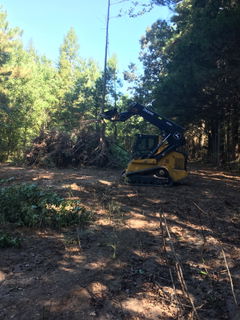
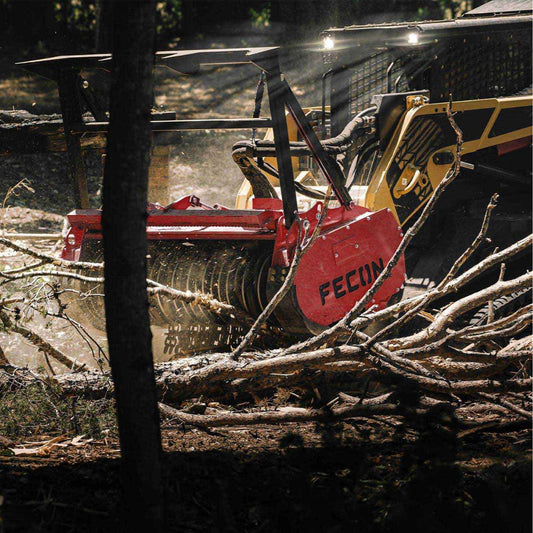
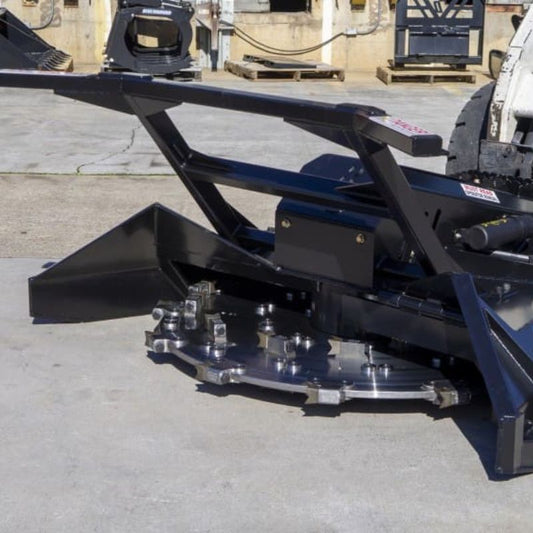
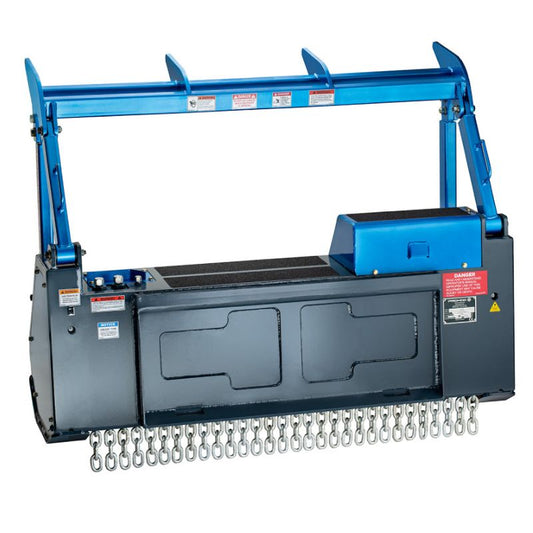
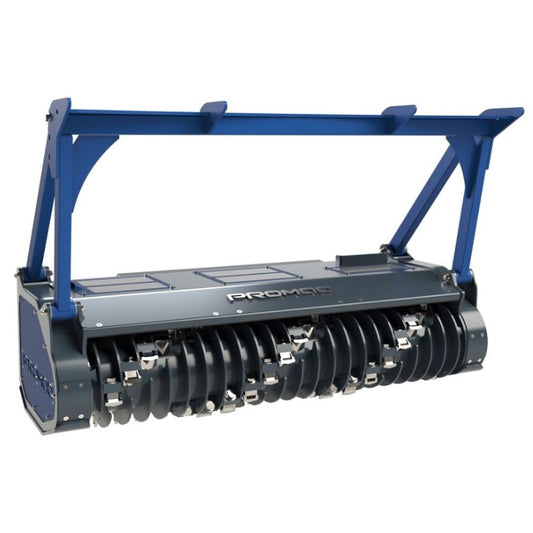
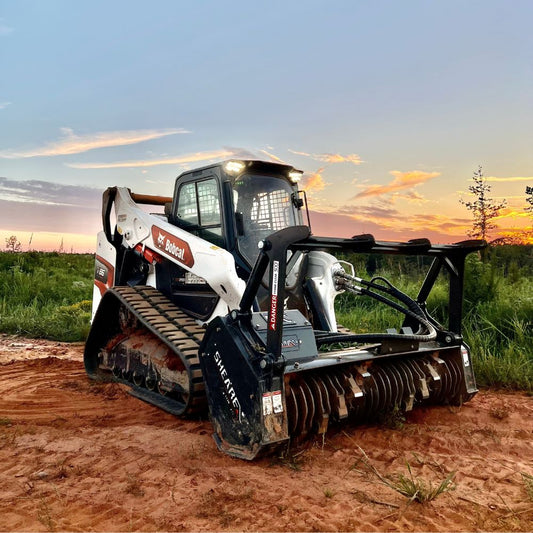
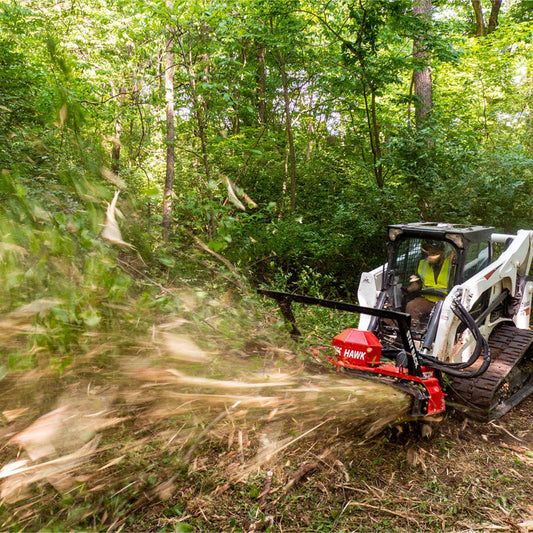
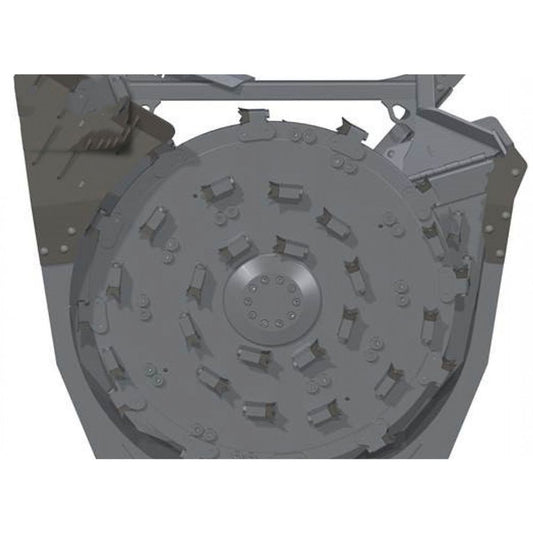
A skid steer mulcher turns standing brush and small trees into chip on the ground in a single pass, which is why clearing crews run them instead of cutting, piling, and burning. The first decision is drum versus disc: a drum head processes material finer and lays it down in place, which suits right-of-way work and anywhere the finished look matters, while a disc head cuts faster and takes larger stems at the cost of a rougher result. Hydraulic flow is the second factor, since high-flow heads clear far more per hour, though low-flow models exist for standard machines. See our full forestry mulcher lineup for heavier-duty work.
-
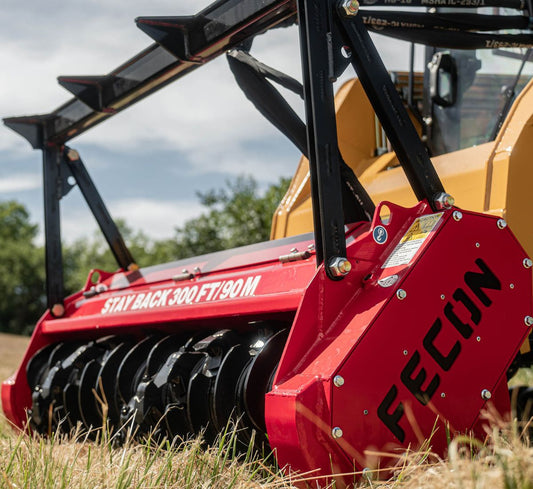
Fecon High Flow Mulcher
From $44,469.00 USDRegular price From $44,469.00 USDSale price From $44,469.00 USD Regular priceUnit price per -
Fecon Standard Flow Mulcher
From $27,066.00 USDRegular price From $27,066.00 USDSale price From $27,066.00 USD Regular priceUnit price per -
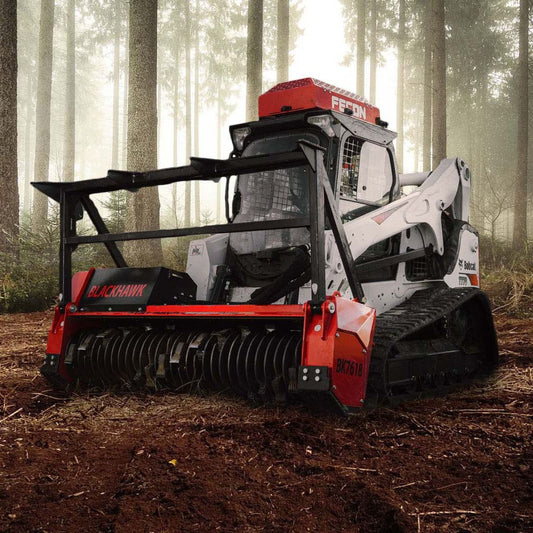
Fecon Blackhawk
From $46,772.00 USDRegular price From $46,772.00 USDSale price From $46,772.00 USD Regular priceUnit price per -
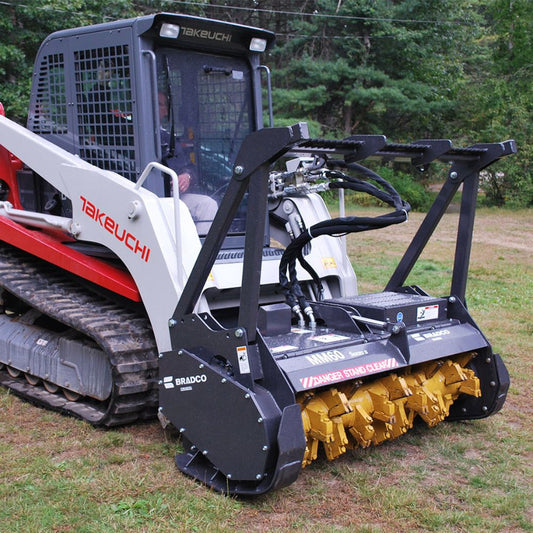
Series 2 - Skid Steer Mulcher | Bradco
From $46,659.99 USDRegular price From $46,659.99 USDSale price From $46,659.99 USD Regular priceUnit price per -
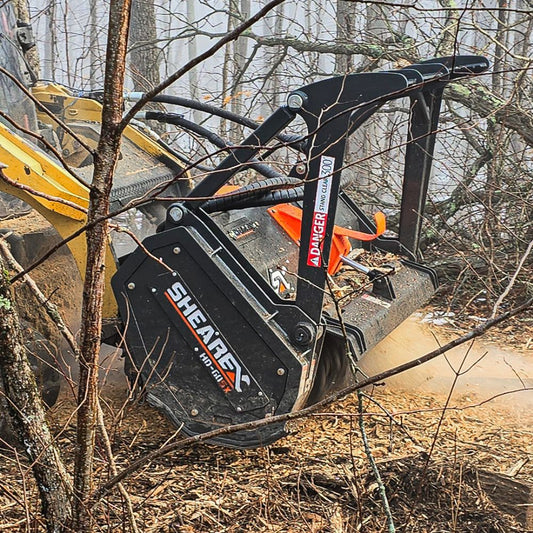
Shearex HD Series Skid Steer Mulcher
From $44,899.00 USDRegular price From $44,899.00 USDSale price From $44,899.00 USD Regular priceUnit price per -
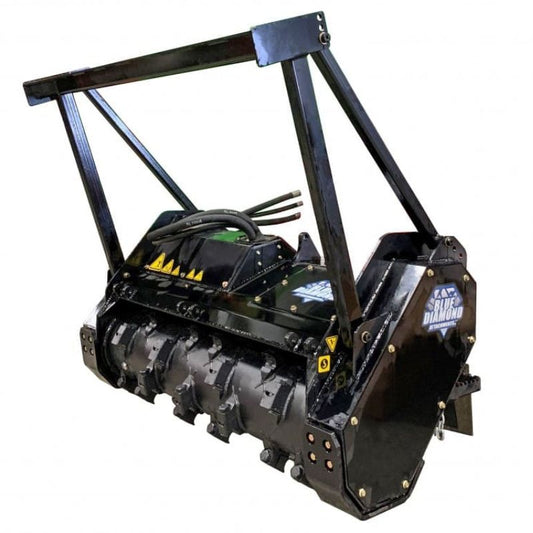
Disc Mulcher | Blue Diamond
From $24,741.65 USDRegular price From $24,741.65 USDSale price From $24,741.65 USD Regular priceUnit price per$28,032.00 USD-11%Sale -
HSL60 Standard Flow Skid Steer Forestry Drum Mulcher | Promac Equipment
$72,555.00 USDRegular price $72,555.00 USDSale price $72,555.00 USD Regular priceUnit price per$38,999.99 USD -
Heavy Duty Skid Steer Mulcher HSM Series | Promac Equipment
From $86,100.00 USDRegular price From $86,100.00 USDSale price From $86,100.00 USD Regular priceUnit price per$42,561.99 USD -
Shearex HM-Series Skid Steer Mulching Head
From $44,899.00 USDRegular price From $44,899.00 USDSale price From $44,899.00 USD Regular priceUnit price per -
Fecon Disc Hawk
$35,698.00 USDRegular price $35,698.00 USDSale price $35,698.00 USD Regular priceUnit price per -
Drum Mulcher | Blue Diamond
From $49,714.10 USDRegular price From $49,714.10 USDSale price From $49,714.10 USD Regular priceUnit price per -
Forestry Disk Mulcher | Bradco
$36,114.00 USDRegular price $36,114.00 USDSale price $36,114.00 USD Regular priceUnit price per












Frequently Asked Questions