Carpet Poles

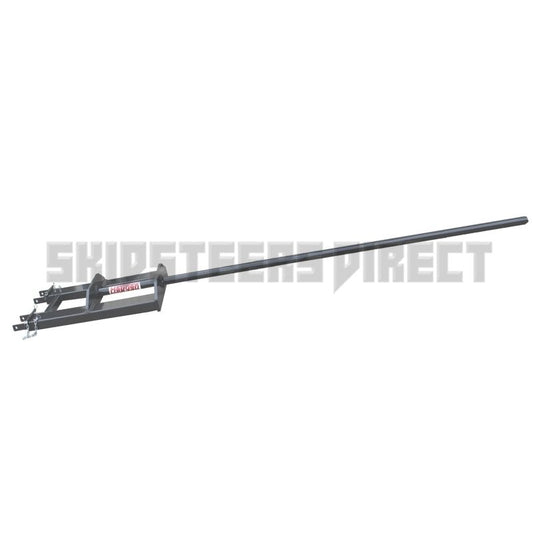
A carpet pole is a tapered steel bar that slides through the core of a roll so you can lift and move it without crushing the edges or dragging the face across the floor. These fit forklifts, telehandlers, and skid steers, and the mount is the first thing to settle: carriagemounted poles bolt to a Class 2 or Class 3 carriage for the most rigid connection, while fork-mounted and fork-slot models slide onto the forks you already run. Rated capacity drops the farther out the load sits, so size against the heaviest roll you handle at full extension rather than the headline number.

4 products

Frequently Asked Questions
What is a carpet pole used for?

It handles anything shipped on a core: carpet and vinyl rolls, fabric, wire and cable spools, geotextile, and turf. The pole slides through the middle of the roll so the
machine carries the load on the core rather than squeezing it, which prevents the crushed edges, flat spots, and scuffed faces you get from moving rolls with forks or a
clamp. Warehouses, flooring distributors, and installers are the usual users.

Carriage-mounted or fork-mounted: which do I need?

A carriage-mounted pole bolts directly to the machine's carriage, which gives the most rigid connection and the highest usable capacity, but it means removing your
forks to change over. A fork-mounted or fork-slot pole slides onto the forks already on the machine and comes off in a minute. If you handle rolls all day, mount to the
carriage. If it's an occasional task between other work, go fork-mounted.

What's the difference between Class 2 and Class 3?

They're standard carriage sizes, and the class determines the bar height and hook spacing the attachment bolts to. Class 2 carriages are found on smaller-capacity
machines and Class 3 on larger ones. The attachment has to match the carriage class your machine actually has, not its capacity rating, so check the carriage itself
before ordering. If you're unsure which you have, send us the make and model.

What capacity carpet pole do I need?

Work from the heaviest roll you lift, then account for reach. Two ratings apply and they're different: the pole's own rated capacity, and your machine's capacity at the
load center the pole creates. Because a carpet pole puts the weight well forward of the carriage, your machine's usable capacity drops sharply compared to its rating
with forks. Check the load chart at the working distance, not the maximum rating.

Can I use a carpet pole on a skid steer?

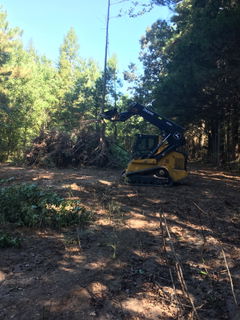
Yes. The fork-slot models in this collection are designed to work off pallet forks, which means a skid steer running forks can handle rolls without buying a dedicated
attachment for the machine. Capacity is the practical limit, since a skid steer's rated operating capacity drops fast with the load carried out on a pole. For heavier rolls
or higher stacking, a telehandler or forklift is the better machine.