Skid Steer Tree Puller Attachments
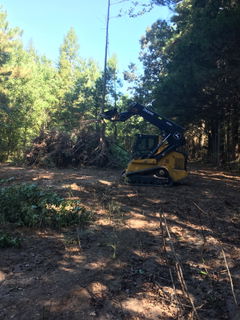
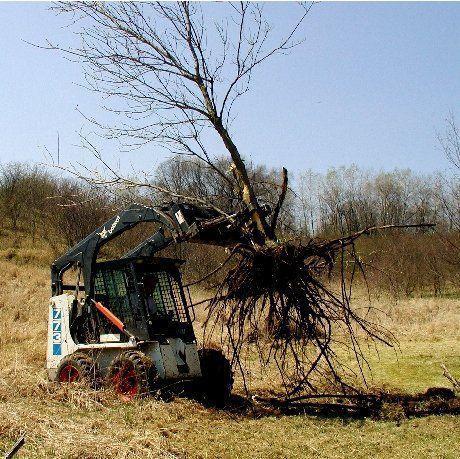
A skid steer tree puller grips a small tree or sapling at the base and lifts it out with the root ball intact, which is what stops it growing straight back. Cutting at ground level leaves the root system to resprout; pulling removes the whole plant in one pass. Jaw capacity is the first decision, since pullers are rated by trunk diameter and forcing an oversized stem damages the attachment rather than the tree. The second is whether you need the extra reach of a longer frame for fence lines and ditch banks. For material too large to pull, a tree shear cuts it instead.
-
Tree Puller | Blue Diamond
From $2,911.00 USDRegular price From $2,911.00 USDSale price From $2,911.00 USD Regular priceUnit price per$3,031.99 USD-3%Sale -
Tree Puller - Skid Steer & Tractor - Berlon Industries
$2,718.00 USDRegular price $2,718.00 USDSale price $2,718.00 USD Regular priceUnit price per -
Heavy Duty Tree Puller - Top Dog Attachments
From $2,699.99 USDRegular price From $2,699.99 USDSale price From $2,699.99 USD Regular priceUnit price per -
Post and Tree Puller | McLaren Industries
$3,299.99 USDRegular price $3,299.99 USDSale price $3,299.99 USD Regular priceUnit price per$3,629.99 USD-9%Sale -
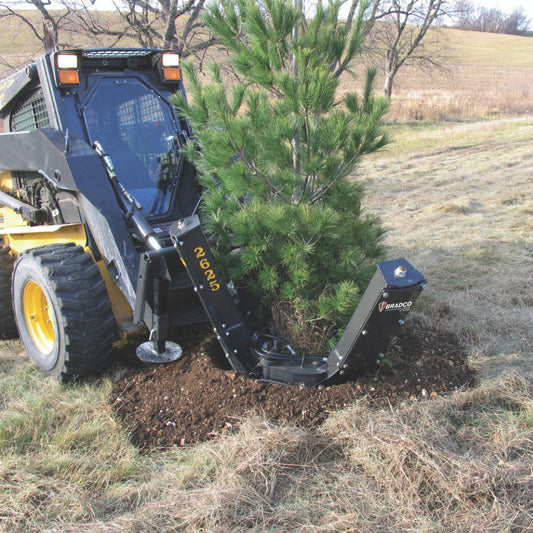
Tree Spade | Bradco Attachments
From $13,329.99 USDRegular price From $13,329.99 USDSale price From $13,329.99 USD Regular priceUnit price per





Frequently Asked Questions