Excavator Post Driver Attachments
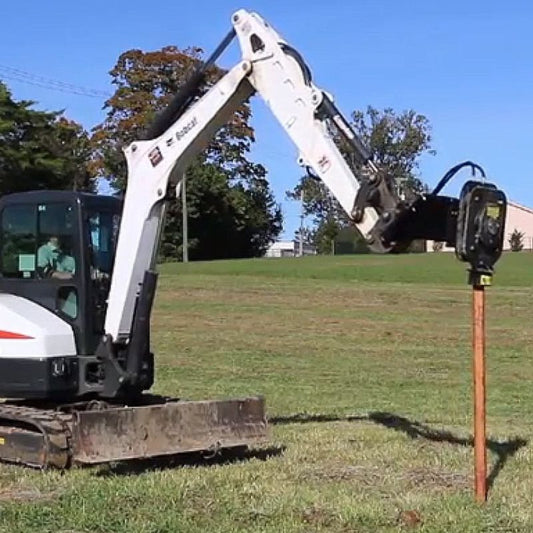
An excavator post driver mounts to your machine's stick and drives fence posts, T-posts, guard rail, and sign posts without pre-drilling or concrete. The excavator's reach and boom articulation are the advantage here: you can set posts along a ditch bank, on a slope, or over an obstacle that a skid steer could not position against. Sizing starts with your machine's weight class and auxiliary hydraulic flow, since the driver has to match both. Drive style is the second decision, with vibratory units suiting soft to moderate ground and impact units delivering more energy per blow in hard or rocky conditions. Where the ground defeats driving, an excavator auger is the better tool.
-
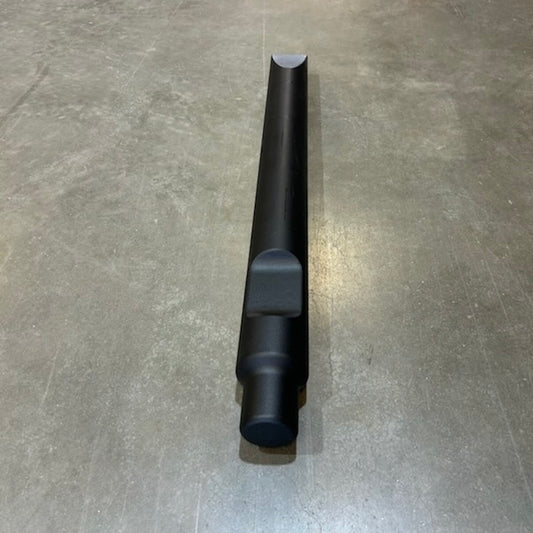
Standard Flat Tool - Montana Post Driver
From $450.00 USDRegular price From $450.00 USDSale price From $450.00 USD Regular priceUnit price per -
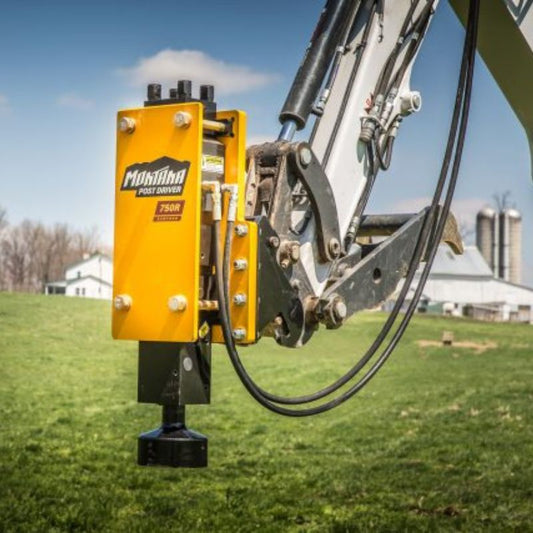
Montana Excavator Post Driver
From $4,700.00 USDRegular price From $4,700.00 USDSale price From $4,700.00 USD Regular priceUnit price per -
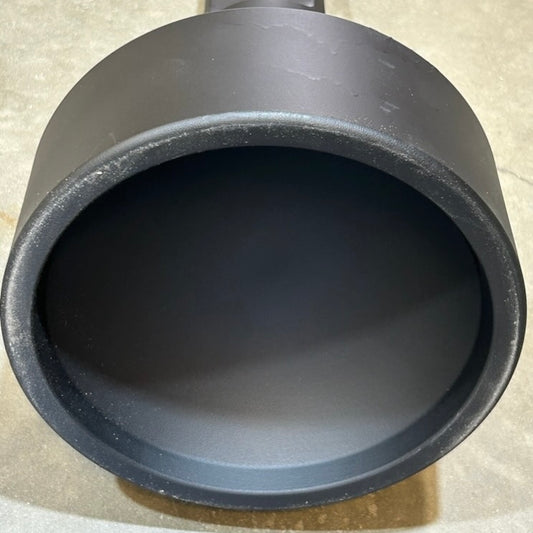
Post Driver Standard Domed Tool - Montana Post Driver
From $89.00 USDRegular price From $89.00 USDSale price From $89.00 USD Regular priceUnit price per -
Post Driver Oversized Domed Tool - Montana Post Driver
From $650.00 USDRegular price From $650.00 USDSale price From $650.00 USD Regular priceUnit price per -
Post Driver Conical Point Tool - Montana Post Driver
From $250.00 USDRegular price From $250.00 USDSale price From $250.00 USD Regular priceUnit price per -
Post Driver Oversized Flat Tool - Montana Post Driver
From $650.00 USDRegular price From $650.00 USDSale price From $650.00 USD Regular priceUnit price per -
Post Driver Rock Spike Tool - Montana Post Driver
$450.00 USDRegular price $450.00 USDSale price $450.00 USD Regular priceUnit price per -
Concrete Breaker V-Wedge Tool - Montana Post Driver
From $250.00 USDRegular price From $250.00 USDSale price From $250.00 USD Regular priceUnit price per -
Post Driver Wood Splitter Tool - Montana Post Driver
From $450.00 USDRegular price From $450.00 USDSale price From $450.00 USD Regular priceUnit price per -
Vibrating Post Driver for Mini Excavator | Blue Diamond
From $11,851.10 USDRegular price From $11,851.10 USDSale price From $11,851.10 USD Regular priceUnit price per -
Post Driver Undersized Domed Tool - Montana Post Driver
$450.00 USDRegular price $450.00 USDSale price $450.00 USD Regular priceUnit price per







Frequently Asked Questions