Excavator Buckets

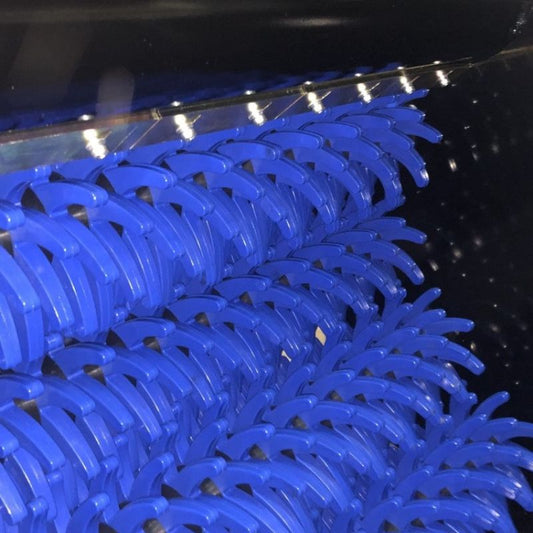
An excavator bucket decides what kind of job your machine is doing that day. General-purpose and digging buckets handle everyday dirt work; ditching buckets are narrower and shaped to cut a clean channel; grading buckets have a flat edge for backfilling and finish work; and screening buckets sift rock and debris out of soil on site instead of hauling material to a screener. The decision starts with your machine's pin size and coupler, either pin-on or hydraulic quick coupler, since a bucket has to match both before capacity or width matter. We stock buckets for mini through full-size excavators, alongside our broader excavator attachments. Tell us your machine and we'll match you to the right bucket.

2 products

Frequently Asked Questions
What's the difference between a digging bucket and a ditching bucket?

A digging (or general-purpose) bucket has a curved profile and teeth, built to break ground and load material efficiently across a range of digging tasks. A ditching
bucket is wider and shallower with a flat or slightly curved bottom and no teeth, shaped to cut a clean, even channel for drainage, utility lines, or footings. If most of
your work is breaking new ground, get the digging bucket; if you're cutting a consistent trench profile, the ditching bucket does that job better.

What does an excavator screening bucket do?

It has a set of internal bars or a mesh screen that lets fine material fall through while rock, roots, and debris stay inside, so you separate on the spot instead of hauling
material to a stationary screener. It's the right tool for reclaiming usable fill from demolition rubble, cleaning rock out of topsoil, or prepping backfill without a second
piece of equipment. Screening slows the work down compared to a plain bucket, so it's for prep, not everyday digging.

How do I know what pin size and coupler my excavator uses?

Pin diameter and spacing on your machine's stick and linkage determine what physically fits, independent of operating weight, so two machines in the same size class can still take different buckets. Coupler style is the other half: pin-on buckets bolt on with matching pins, while hydraulic quick couplers let you swap from the cab but need matching styles on both sides. Measure your pins or check the spec sheet, and contact us with your make and model if unsure.

What width bucket do I need?

Match bucket width to the job, not to your machine's largest capacity option. Narrower buckets cut cleaner, more precise trenches and need less breakout force, which matters on utility and drainage work where the trench shape is the point. Wider buckets move more material per pass and suit general digging and loading. Running a bucket wider than the job calls for costs you cycle time and hydraulic strain for no real benefit.

Do I need a toothed or a toothless bucket?

Teeth help a bucket penetrate compacted soil, clay, and rocky ground, and they're the standard choice for digging and general-purpose work. A toothless (or straightedge) bucket is for grading, cleanup, and finish work where you want a flat, even surface rather than a bucket that bites in. Some buckets accept bolt-on teeth so you can run either way; check whether the model you're looking at is set up for that before assuming it's fixed one way or the other.