Skeer System Grading Attachments
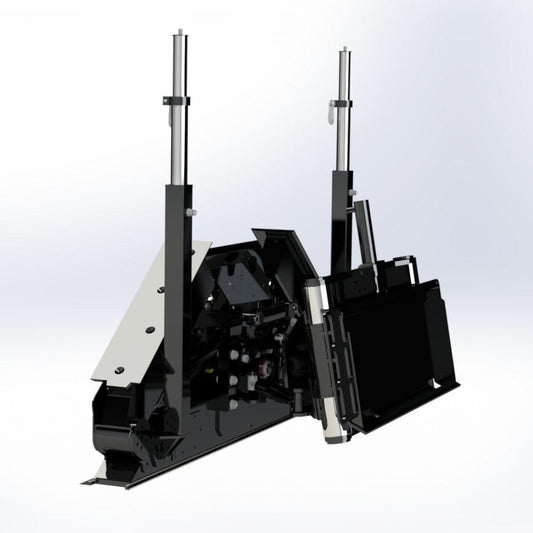
These grading attachments hold a true flat plane rather than following the machine, which is the difference between a surface that looks level and one that actually is. The blade rides on its own reference frame, so dips the loader drives through do not transfer into the cut. That makes them the tool for pads, slabs, and any surface where the finish is measured rather than eyeballed. The range runs from a straightforward grading beam through tilt-plate blades to machine control ready models that accept 2D and 3D guidance. Excavator mounted beams cover work a loader cannot reach. For bulk cutting before the finish pass, a box blade moves material first
-
Pro Plus | Skid Steer Grading Attachment | Skeer System
$15,545.00 USDRegular price $15,545.00 USDSale price $15,545.00 USD Regular priceUnit price per -
Grading Blade With Tilt Plate | Skeer System
From $15,172.50 USDRegular price From $15,172.50 USDSale price From $15,172.50 USD Regular priceUnit price per -
The Pro | Skid Steer Grading Attachment | Skeer System
From $12,595.00 USDRegular price From $12,595.00 USDSale price From $12,595.00 USD Regular priceUnit price per -
Pro Plus OS | Skid Steer Grading Attachment | Skeer System
$17,085.00 USDRegular price $17,085.00 USDSale price $17,085.00 USD Regular priceUnit price per -
Machine Control 2D/3D Ready Grader | Skeer System
From $32,440.00 USDRegular price From $32,440.00 USDSale price From $32,440.00 USD Regular priceUnit price per -
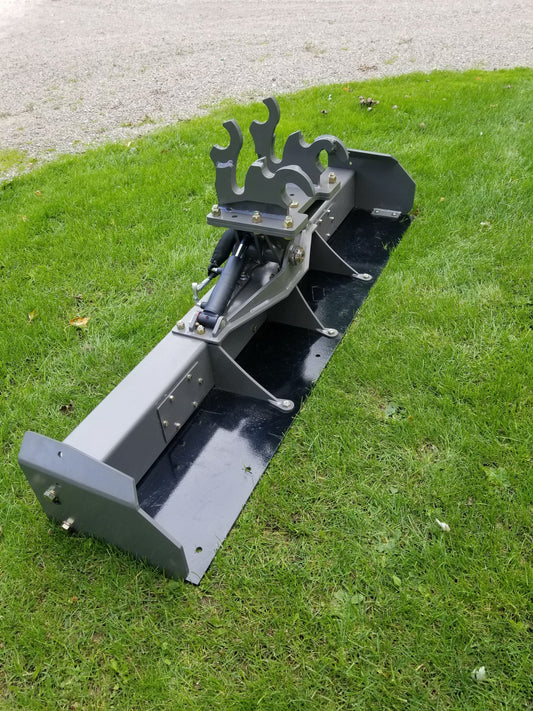
Excavator Grading Beam | Skeer System
From $7,735.00 USDRegular price From $7,735.00 USDSale price From $7,735.00 USD Regular priceUnit price per -
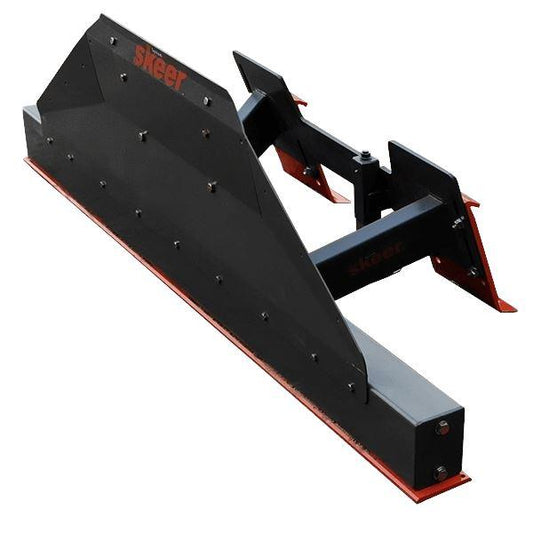
The Beam | Skid Steer Grading Attachments | Skeer System
$4,895.00 USDRegular price $4,895.00 USDSale price $4,895.00 USD Regular priceUnit price per -
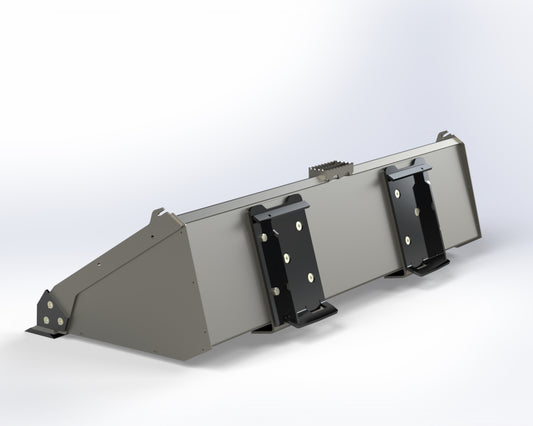
Adjustable Bucket | Skeer System
From $3,460.00 USDRegular price From $3,460.00 USDSale price From $3,460.00 USD Regular priceUnit price per





Frequently Asked Questions