McLaren Industries
McLaren Industries is best known for over-the-tire tracks and solid skid steer tires, the parts that decide how your machine behaves on soft ground, scrap, and demolition debris. Over-the-tire tracks bolt over the tires you already run to spread weight and add traction in mud, snow, and sand. Solid and flat-proof tires give up some ride comfort in exchange for running through rebar, glass, and concrete without downtime for a flat. McLaren also builds a range of additional skid steer attachments, all of which are in the range below. Match the track pattern to your ground conditions and the tire to your rim size and load rating, and call us with your machine and tire size if you want the fit confirmed.
-
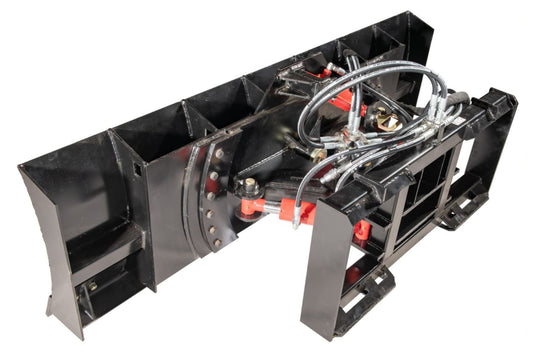
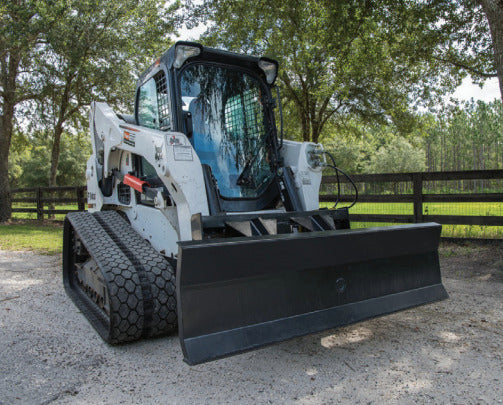
6-Way Dozer Blade with Power Tilt | McLaren Industries
From $7,199.99 USDRegular price From $7,199.99 USDSale price From $7,199.99 USD Regular priceUnit price per -
Land Clearing 4-Way Dozer Blade | McLaren Industries
From $3,999.99 USDRegular price From $3,999.99 USDSale price From $3,999.99 USD Regular priceUnit price per -
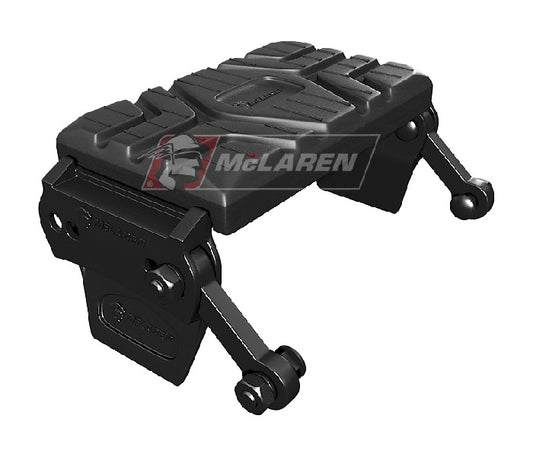
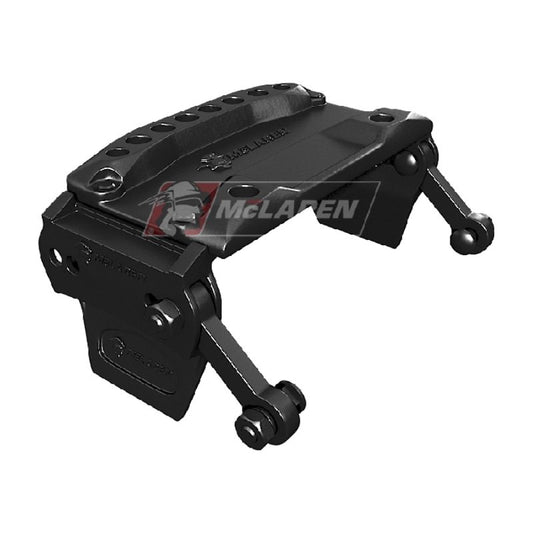
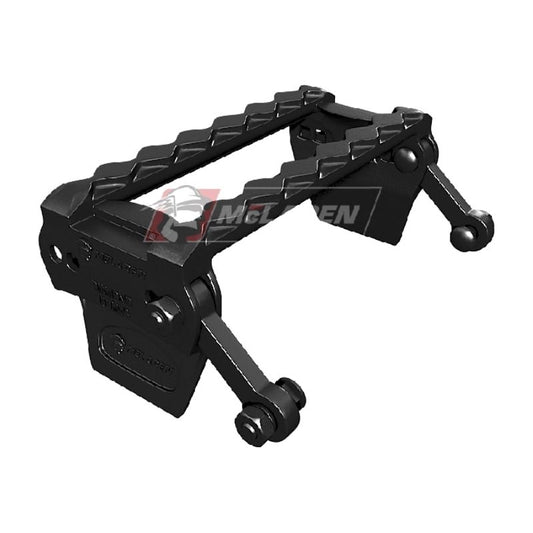
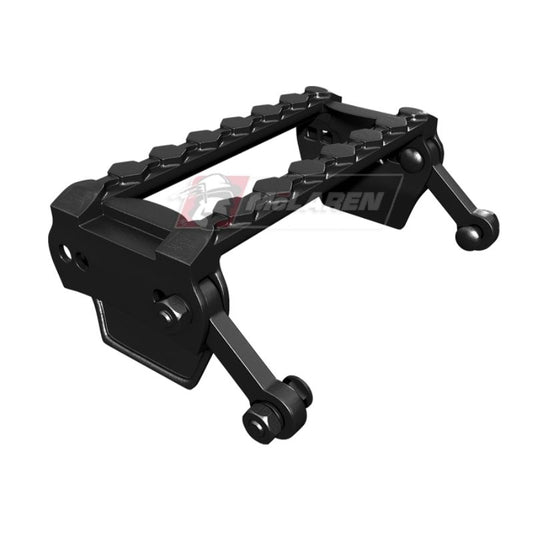
Rubber Skid Steer Over The Tire Tracks | McLaren Industries
From $5,099.99 USDRegular price From $5,099.99 USDSale price From $5,099.99 USD Regular priceUnit price per -
Magnum Over The Tire Tracks | McLaren Industries
From $4,695.00 USDRegular price From $4,695.00 USDSale price From $4,695.00 USD Regular priceUnit price per -
Diamond Over The Tire Tracks | McLaren Industries
From $3,599.99 USDRegular price From $3,599.99 USDSale price From $3,599.99 USD Regular priceUnit price per -
Maximizer Over The Tire Tracks | McLaren Industries
From $3,299.99 USDRegular price From $3,299.99 USDSale price From $3,299.99 USD Regular priceUnit price per -
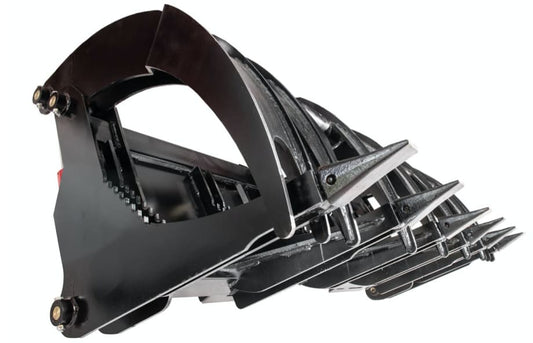
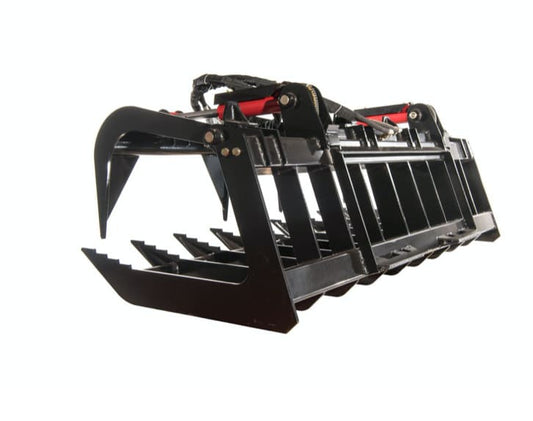
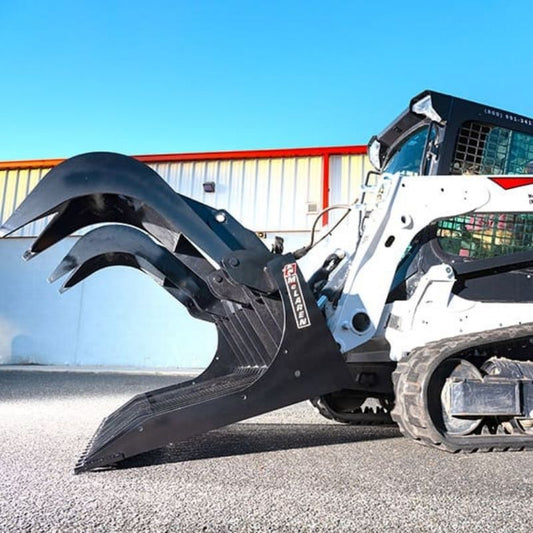
Rake Grapple Severe Duty | McLaren Industries
From $3,999.99 USDRegular price From $3,999.99 USDSale price From $3,999.99 USD Regular priceUnit price per -
Clam Style Root Rake Grapple
From $3,499.99 USDRegular price From $3,499.99 USDSale price From $3,499.99 USD Regular priceUnit price per -
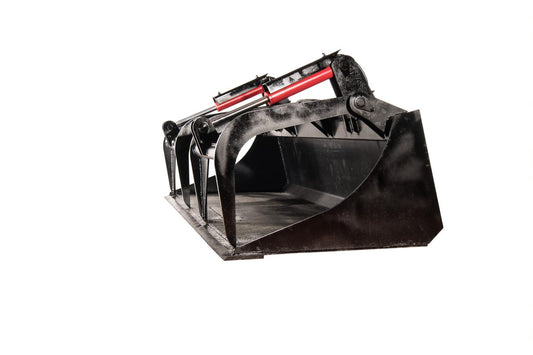
Heavy-Duty Stump Bucket | McLaren Industries
From $1,869.99 USDRegular price From $1,869.99 USDSale price From $1,869.99 USD Regular priceUnit price per -
Demolition and Recycling Yard Grapple Bucket | McLaren Industries
From $3,999.99 USDRegular price From $3,999.99 USDSale price From $3,999.99 USD Regular priceUnit price per -
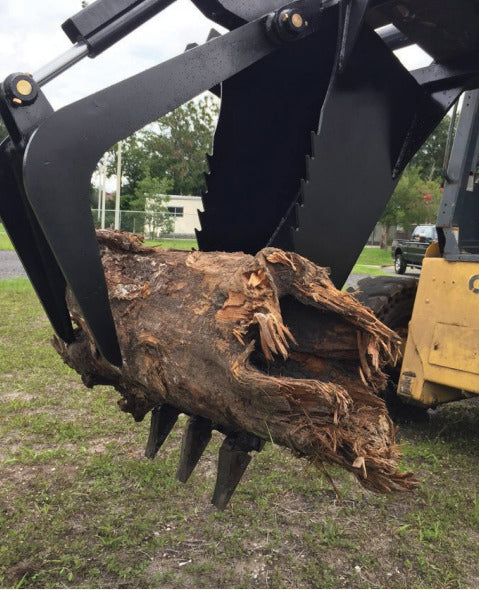
Heavy Duty Root Grapple Bucket | McLaren Industries
From $3,699.99 USDRegular price From $3,699.99 USDSale price From $3,699.99 USD Regular priceUnit price per -
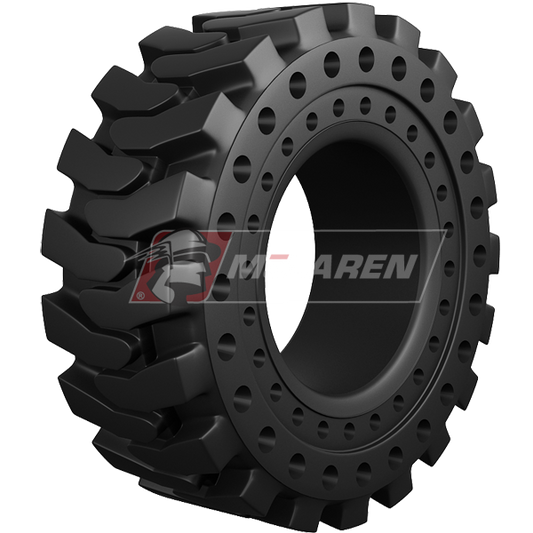
Skid Steer Nu-Air Dirt Terrain (DT) Tires | McLaren Industries
From $5,099.99 USDRegular price From $5,099.99 USDSale price From $5,099.99 USD Regular priceUnit price per -
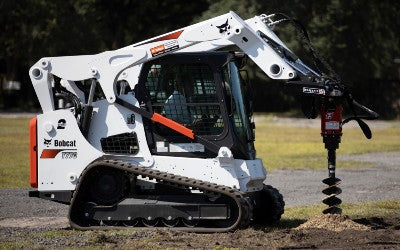
Auger for Skid Steer | Mclaren Industries
From $3,379.99 USDRegular price From $3,379.99 USDSale price From $3,379.99 USD Regular priceUnit price per -
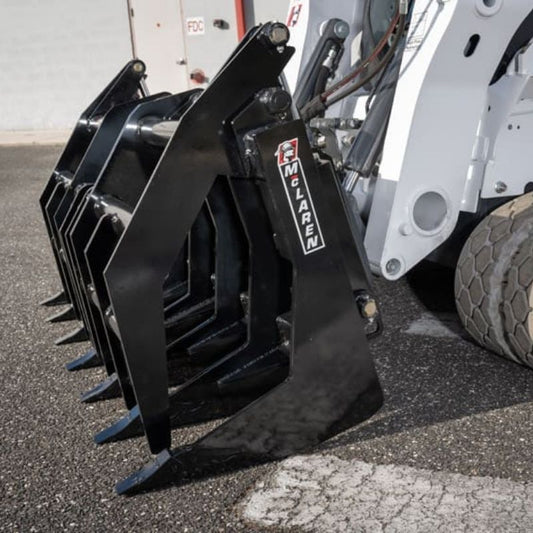
Extreme Duty Root Rake Grapple | McLaren Industries
From $5,999.99 USDRegular price From $5,999.99 USDSale price From $5,999.99 USD Regular priceUnit price per -
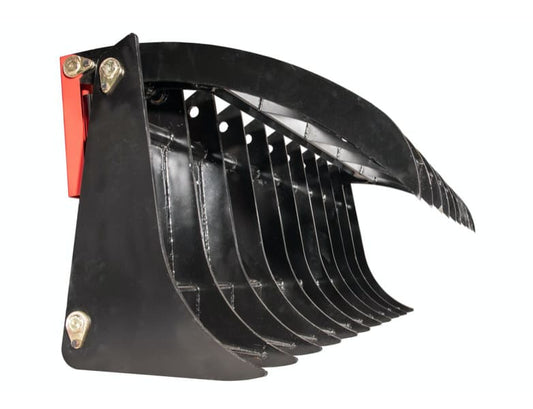
Skid Steer Rock Rake Grapple Bucket | McLaren Industries
From $5,849.99 USDRegular price From $5,849.99 USDSale price From $5,849.99 USD Regular priceUnit price per -
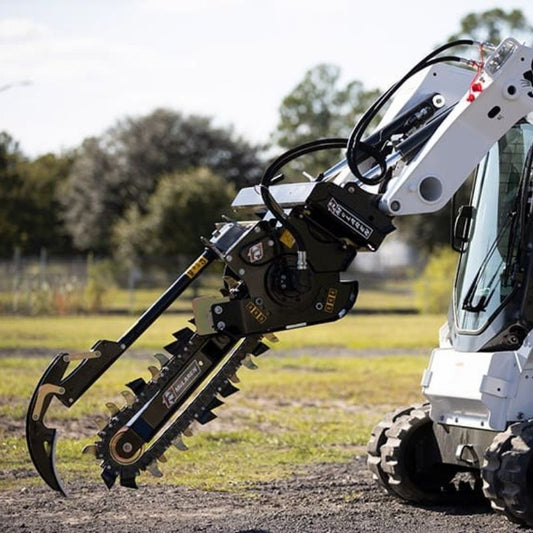
Skid Steer Trencher | McLaren Industries
From $8,499.99 USDRegular price From $8,499.99 USDSale price From $8,499.99 USD Regular priceUnit price per
















Frequently Asked Questions